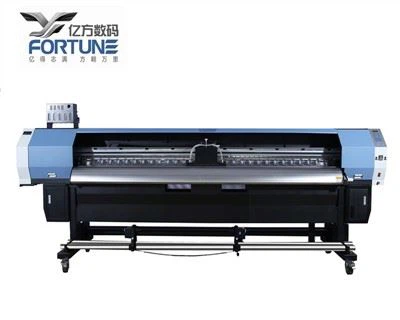


Direct-to-Textile Printer Overview
Printing Process:
DTG printers function similarly to inkjet printers but are designed to handle fabric materials. The fabric is placed on a platen, and the printer head moves back and forth to apply the ink directly onto the material.
Reactive Ink:
Composition: Reactive inks contain reactive dyes that chemically bond with cellulose fibers in the fabric. These dyes are water-soluble and require specific conditions to fix properly.
Color Vibrancy: They produce bright, vibrant colors and have excellent wash-fastness, making them ideal for high-quality textile printing.
Pretreatment:
Necessity: Fabrics often require pretreatment to ensure the ink adheres properly and achieves vibrant colors. This involves applying a pretreatment solution to the fabric, which helps to open up the fibers and prepare them for ink absorption.
Printing:
High Precision: DTG printers offer precise control over ink placement, allowing for detailed and intricate designs. The reactive ink is jetted onto the fabric in a controlled manner, ensuring even distribution and sharp images.
Fixation:
Steam or Heat: After printing, the fabric must undergo a fixation process. For reactive inks, this typically involves steaming, which helps the dyes bond with the fibers. Alternatively, heat can be used to cure the print, depending on the specific ink and fabric type.
Post-Treatment:
Washing and Drying: Once the ink is fixed, the fabric is washed to remove any excess dye and then dried. This ensures the print is durable and has a soft hand feel.
Advantages of digital textile Printing with Reactive Inks
Eco-Friendly: Reactive inks are generally water-based and less harmful to the environment compared to traditional printing methods.
Soft Hand Feel: Prints created with reactive inks are soft to the touch, as the ink bonds with the fabric rather than sitting on top of it.
Durability: The chemical bonding of reactive dyes with the fabric fibers results in prints that are resistant to fading and washing.
Applications
Custom Apparel: Ideal for small to medium-sized production runs of custom-designed t-shirts, hoodies, and other garments.
Textile Art: Used for creating intricate textile art pieces with rich, vibrant colors.
Promotional Products: Suitable for printing promotional items that require high-quality, durable prints.
In summary, using a DTG printer with reactive ink provides a superior printing solution for textiles, offering excellent color vibrancy, durability, and a soft hand feel, making it an ideal choice for high-quality garment printing.